
What to Know Before Installing a Residential Elevator: Cost, Space, and Safety
Installing a residential elevator is no longer just for luxury mansions. More homeowners today are considering elevators for convenience, accessibility, or future-proofing their homes. However, before jumping into the installation, it’s essential to understand the key factors involved.
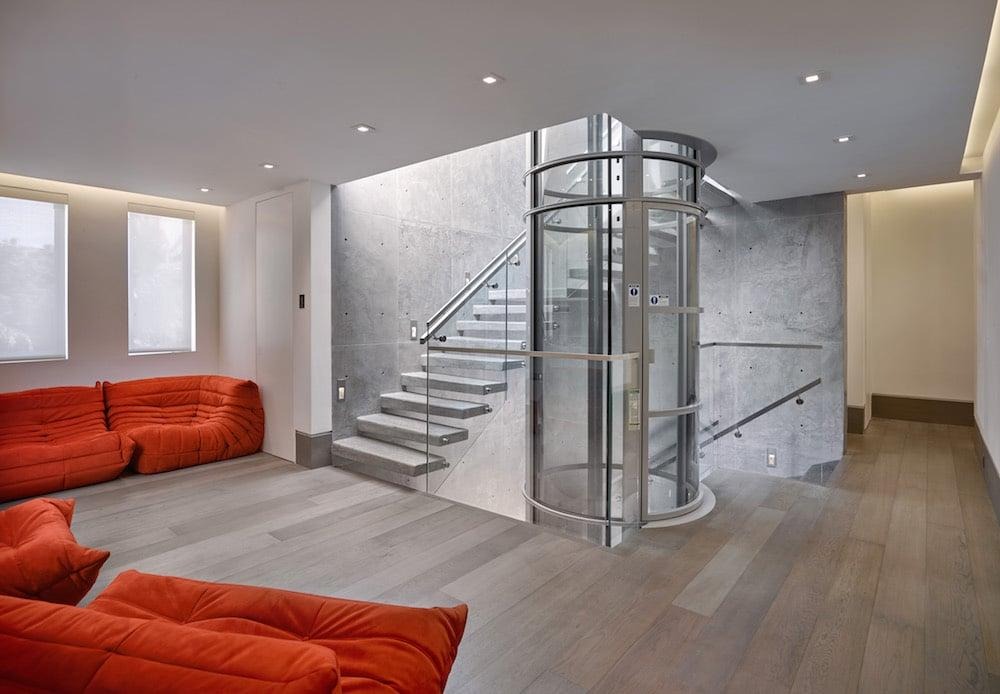
Things to Know When Installing a Residential Elevator
From budgeting and space planning to safety considerations, here’s what you should know before adding home elevators Long Island.
Understand the Full Cost
One of the first things people ask is, “How much will it cost?” While prices vary depending on the elevator type and home layout, residential elevators typically range from $20,000 to $50,000 or more. This estimate includes the unit, installation, permits, and any construction work needed.
Keep in mind, more complex systems—such as vacuum or hydraulic elevators—tend to be pricier than cable-driven or shaftless models. Also, ongoing maintenance, which may cost a few hundred dollars a year, is an important part of the long-term budget.
Evaluate Your Space Requirements
Next, you’ll need to figure out where the elevator will fit. Most elevators require a shaft or hoistway, which means carving out space through multiple floors. Some homes can accommodate this easily, while others might need significant renovations.
If space is tight, there are compact or shaftless models available. These often work well for two-story homes and require less construction. It’s best to have a professional assess your home’s layout to determine the best placement with minimal disruption.
Choose the Right Type of Elevator
There are several types of residential elevators to choose from, and each comes with its own pros and cons.
- Hydraulic elevators are powerful and smooth but need a machine room and more space.
- Traction elevators use cables and counterweights and are energy-efficient.
- Pneumatic (vacuum) elevators are sleek and require less construction, but may have weight and height limitations.
- Shaftless elevators are ideal for homes with limited space and fewer floors.
Your choice will depend on your home’s structure, budget, and long-term needs. Consulting with a licensed elevator installer can help you make the right decision.
Prioritize Safety Features
Safety should never be an afterthought. Thankfully, today’s residential elevators come with a variety of features to protect riders. Look for models that include:
- Emergency stop buttons
- Battery backups in case of power failure
- Door sensors to prevent closing on objects or people
- Interlocks that ensure the elevator won’t move until the door is shut
Additionally, professional installation and regular servicing are key to keeping your elevator safe and functional for years to come.
Check Building Codes and Permits
Before installation begins, you’ll need to make sure everything is compliant with local building codes. Most municipalities require permits for residential elevators and inspections after installation. Your contractor or elevator company will usually handle this process, but it’s wise to stay informed.
Conclusion: Things to Know When Installing a Residential Elevator
Installing a residential elevator can be a game-changer for mobility, convenience, and property value. But it’s important to plan carefully. From understanding costs and space needs to selecting the right type and prioritizing safety, each step plays a role in a successful project. With the help of experienced professionals, you can ensure your elevator is a smooth addition to your home—now and for the future.
Recent Comments