How to Prepare for a Junk Removal Service: What They Take and What They Don’t

Hiring a junk removal service is one of the easiest ways to clear clutter, reclaim space, and simplify your life. Whether you’re doing spring cleaning, preparing for a move, or just tired of looking at piles of unused stuff, a professional team can haul away the mess quickly. However, not everything qualifies as a “junk” in their eyes. 

Preparing for Junk Removal Service

Knowing what to expect—and what to avoid—makes the junk removal Beaverton process smoother and more efficient.

Sort Through Your Items in Advance

Before the junk removal team arrives, go through your belongings and separate what stays from what goes. Create piles: one for donation, one for trash, and one for removal. This not only speeds up the process but also helps avoid confusion during pickup. If you have items with sentimental value, double-check your piles before the truck comes.

Also, remember to keep important documents, jewelry, or valuables in a safe spot. You don’t want anything accidentally taken away in the cleanout.

Understand What Most Companies Will Take

Generally, junk removal services are equipped to handle a wide range of household and business items. Common removables include:

  • Old furniture (couches, chairs, tables)
  • Appliances (microwaves, washers, dryers)
  • Electronics (TVs, monitors, printers)
  • Yard waste (branches, leaves, old fencing)
  • Construction debris (wood, drywall, tiles)
  • General household clutter (boxes, toys, mattresses)

If it’s non-hazardous and doesn’t require special handling, there’s a good chance they’ll take it. Still, it’s a good idea to ask for a list of accepted items when you book the service.

Know What They Don’t Take

Despite being efficient, junk removal services do have limits. Most companies avoid hazardous or regulated materials. These often include:

  • Paint, paint thinners, and solvents
  • Motor oil or gasoline
  • Asbestos or lead-based materials
  • Batteries (especially car batteries)
  • Medical waste or biohazards
  • Pressurized containers like propane tanks

These items need to be handled by specialized disposal services. If you’re unsure whether something is considered hazardous, ask in advance or contact your local waste management authority.

Make Access Easy for the Crew

To make the removal process fast and smooth, ensure easy access to the junk. Clear pathways, unlock gates, and move vehicles if needed. If items are inside the house or office, let the crew know ahead of time how much lifting or stair work is involved.

Labeling or grouping the junk together in one location can save time and avoid misunderstandings. Plus, it helps the crew give you a more accurate estimate if they’re charging based on volume.

Ask About Donation and Recycling Options

Many junk removal companies try to minimize landfill waste by donating usable items or recycling materials. If you’re disposing of lightly used furniture, working electronics, or clean clothing, ask if the company can donate on your behalf.

This approach not only helps the environment but can also provide peace of mind knowing your items are going to good use.

Conclusion: Preparing for Junk Removal Service

Preparing for a junk removal service doesn’t have to be complicated. By sorting your items, understanding what’s accepted, and ensuring easy access, you’ll make the process quicker and stress-free. With the right prep, you can enjoy a clutter-free space and the satisfaction of a job well done—without ever lifting a heavy couch.
The Benefits of Ceramic Coating for Long-Lasting Vehicle Paint Protection

If you love your car, keeping it looking shiny and new is likely a top priority. While regular washing and waxing help, they can only do so much. That’s where ceramic coating comes in. This high-tech solution offers a deeper level of protection that goes far beyond traditional methods. 

Reasons to Choose Ceramic Coating for Your Car

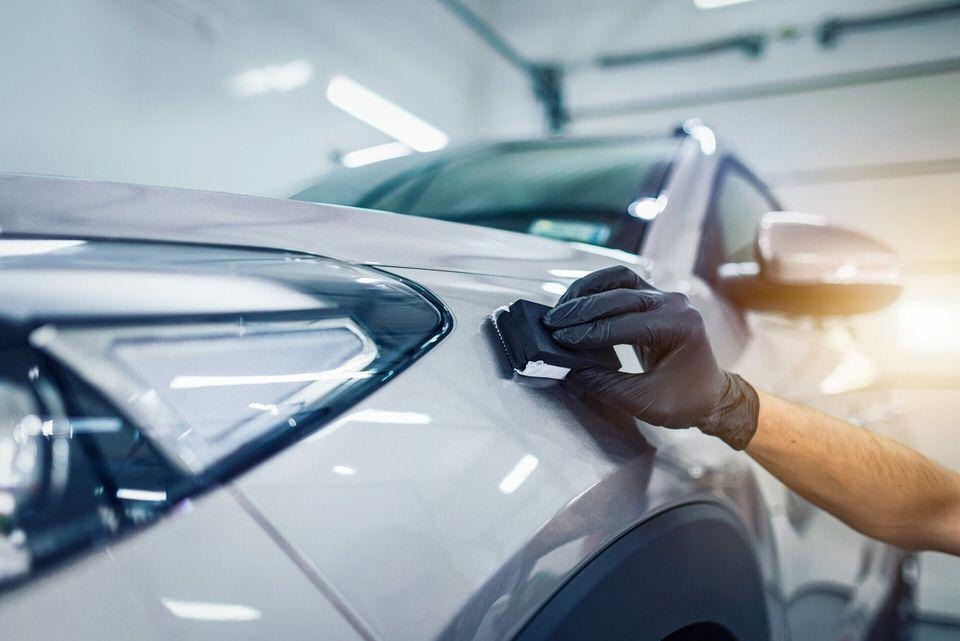
Whether you drive a brand-new ride or want to preserve an older one, ceramic coating Long Island is a smart investment for long-term paint protection.

Shields Against the Elements

Your car faces harsh conditions every day—sunlight, rain, dirt, road salts, and bird droppings. Over time, these elements wear down the paint and dull its shine. Ceramic coating acts like a protective shield, bonding with the paint at a molecular level. It creates a hard, hydrophobic layer that repels water, grime, and contaminants.

As a result, your vehicle stays cleaner for longer, and you won’t have to worry as much about things like tree sap or acid rain eating away at the finish.

Provides Long-Lasting Protection

Unlike wax, which may wear off after just a few weeks, ceramic coating is designed to last for years. Most professional-grade ceramic coatings protect your car for two to five years, depending on the product and application quality. Some top-tier options even come with multi-year warranties.

This long-term durability means fewer trips to the detailer and less money spent on maintenance. Plus, your car maintains its gloss and color vibrancy far longer than with other treatments.

Makes Cleaning Easier

Another major perk of ceramic coating is how easy it makes car cleaning. The coating’s hydrophobic nature causes water to bead up and slide right off the surface, taking dirt and dust with it. This feature dramatically reduces how often you need to wash your vehicle.

And when you do wash it, the process is quicker and less of a chore. No more intense scrubbing to remove stubborn bugs or mud. The smooth surface keeps contaminants from sticking in the first place.

Enhances the Glossy Finish

Ceramic coating doesn’t just protect—it also enhances. Once applied, it brings out a rich, deep gloss that makes your paint job truly pop. Whether your car is black, red, white, or any color in between, ceramic coating boosts its appearance, making it look freshly detailed every day.

This improved shine helps your vehicle stand out on the road and can even increase its resale value. A well-maintained, glossy exterior sends a message that the car has been well cared for.

Offers Cost-Effective Value Over Time

While the upfront cost of ceramic coating may seem high compared to waxing, it actually offers better value in the long run. Consider the cost of monthly waxing, frequent detailing, and the potential need for paint correction down the road. Ceramic coating helps you avoid these recurring expenses.

Moreover, it reduces the chances of needing costly repainting or touch-ups due to oxidation or UV damage. With ceramic coating, you’re investing in long-term savings and protection.

Conclusion: Reasons to Choose Ceramic Coating for Your Car

Ceramic coating is more than just a trend—it’s a highly effective way to preserve your vehicle’s appearance and value. From weather protection and easy maintenance to long-lasting shine, the benefits speak for themselves. If you want to spend less time worrying about your car’s paint and more time enjoying how great it looks, ceramic coating is a decision you won’t regret.

What to Know Before Installing a Residential Elevator: Cost, Space, and Safety

Installing a residential elevator is no longer just for luxury mansions. More homeowners today are considering elevators for convenience, accessibility, or future-proofing their homes. However, before jumping into the installation, it’s essential to understand the key factors involved. 

Things to Know When Installing a Residential Elevator

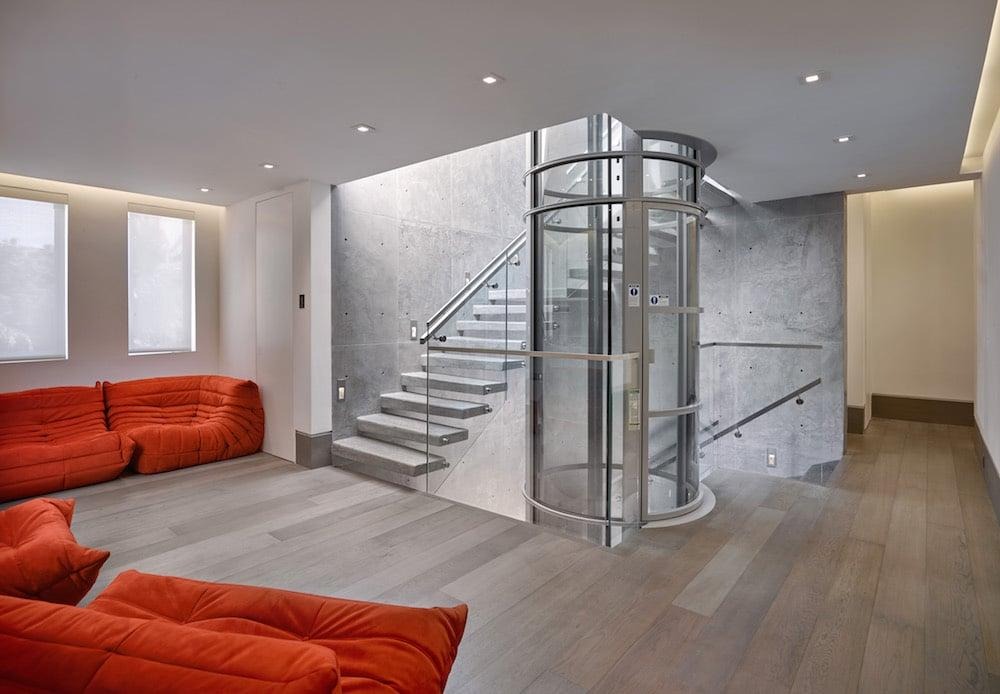
From budgeting and space planning to safety considerations, here’s what you should know before adding home elevators Long Island.

Understand the Full Cost

One of the first things people ask is, “How much will it cost?” While prices vary depending on the elevator type and home layout, residential elevators typically range from $20,000 to $50,000 or more. This estimate includes the unit, installation, permits, and any construction work needed.

Keep in mind, more complex systems—such as vacuum or hydraulic elevators—tend to be pricier than cable-driven or shaftless models. Also, ongoing maintenance, which may cost a few hundred dollars a year, is an important part of the long-term budget.

Evaluate Your Space Requirements

Next, you’ll need to figure out where the elevator will fit. Most elevators require a shaft or hoistway, which means carving out space through multiple floors. Some homes can accommodate this easily, while others might need significant renovations.

If space is tight, there are compact or shaftless models available. These often work well for two-story homes and require less construction. It’s best to have a professional assess your home’s layout to determine the best placement with minimal disruption.

Choose the Right Type of Elevator

There are several types of residential elevators to choose from, and each comes with its own pros and cons.

  • Hydraulic elevators are powerful and smooth but need a machine room and more space.
  • Traction elevators use cables and counterweights and are energy-efficient.
  • Pneumatic (vacuum) elevators are sleek and require less construction, but may have weight and height limitations.
  • Shaftless elevators are ideal for homes with limited space and fewer floors.

Your choice will depend on your home’s structure, budget, and long-term needs. Consulting with a licensed elevator installer can help you make the right decision.

Prioritize Safety Features

Safety should never be an afterthought. Thankfully, today’s residential elevators come with a variety of features to protect riders. Look for models that include:

  • Emergency stop buttons
  • Battery backups in case of power failure
  • Door sensors to prevent closing on objects or people
  • Interlocks that ensure the elevator won’t move until the door is shut

Additionally, professional installation and regular servicing are key to keeping your elevator safe and functional for years to come.

Check Building Codes and Permits

Before installation begins, you’ll need to make sure everything is compliant with local building codes. Most municipalities require permits for residential elevators and inspections after installation. Your contractor or elevator company will usually handle this process, but it’s wise to stay informed.

Conclusion: Things to Know When Installing a Residential Elevator

Installing a residential elevator can be a game-changer for mobility, convenience, and property value. But it’s important to plan carefully. From understanding costs and space needs to selecting the right type and prioritizing safety, each step plays a role in a successful project. With the help of experienced professionals, you can ensure your elevator is a smooth addition to your home—now and for the future.

Top Kitchen Remodel Ideas That Boost Functionality and Resale Value

The kitchen is the heart of any home, and remodeling it can offer one of the best returns on investment when it comes to resale value. But beyond profit, a well-thought-out kitchen upgrade improves day-to-day functionality, comfort, and style. 

How to Increase Your Home’s Resale Value with Kitchen Remodel

Whether you’re planning to sell soon or stay for years, these kitchen remodel Long Island ideas can make a big impact.

Upgrade to Smart Appliances

Technology continues to revolutionize the modern kitchen. Smart appliances like refrigerators with touchscreens, ovens with Wi-Fi control, and dishwashers that optimize energy use are becoming must-haves. Not only do they add convenience to your routine, but they also impress tech-savvy buyers when it’s time to sell.

These smart devices often come with energy-efficient features, which can help reduce utility bills—a win for both you and any future homeowner.

Add an Island for Versatility

Kitchen islands have become a staple in both large and small spaces. They provide extra counter space for meal prep, additional seating, and even hidden storage. Some islands also include built-in appliances or sinks, helping to centralize work areas and streamline tasks.

When done right, a kitchen island can instantly make the space feel more open and social—perfect for family gatherings or entertaining guests.

Focus on Storage Solutions

One of the most common complaints in any kitchen is lack of storage. So, when remodeling, look beyond basic cabinets. Consider adding pull-out pantry shelves, deep drawers for pots and pans, or custom organizers for utensils and spices.

Floor-to-ceiling cabinetry maximizes vertical space, while built-in lazy Susans and corner drawers make every inch count. Smart storage isn’t just practical—it makes your kitchen feel more luxurious and well-planned.

Choose Durable, Timeless Materials

While trends come and go, classic materials hold long-term value. Quartz countertops, for example, are not only stylish but also incredibly durable and low-maintenance. Similarly, hardwood or luxury vinyl flooring stands up well to daily wear and tear.

Subway tile backsplashes, neutral cabinet colors, and brushed nickel or matte black hardware strike the right balance between modern and timeless. These choices appeal to a wide range of tastes, which is essential for resale.

Improve Lighting and Layout

Never underestimate the power of good lighting. Layered lighting—including task lights, under-cabinet lighting, and pendant fixtures—can transform the atmosphere and boost functionality. A brighter kitchen simply feels more inviting and user-friendly.

At the same time, rethinking the layout might help improve flow. For example, following the “kitchen triangle” rule—placing the stove, sink, and fridge in a triangle layout—can make cooking more efficient. Small changes in layout can have a big impact on everyday use.

Conclusion: How to Increase Your Home’s Resale Value with Kitchen Remodel

A kitchen remodel isn’t just about looks—it’s about enhancing how the space works for your lifestyle while increasing your home’s overall value. By upgrading appliances, improving storage, selecting lasting materials, and refining layout and lighting, you create a kitchen that’s as practical as it is beautiful. Whether you’re planning to sell or stay, these remodeling ideas ensure your kitchen is ready to serve you—and future homeowners—for years to come.

How Stairlifts Improve Home Accessibility for Seniors and People with Limited Mobility

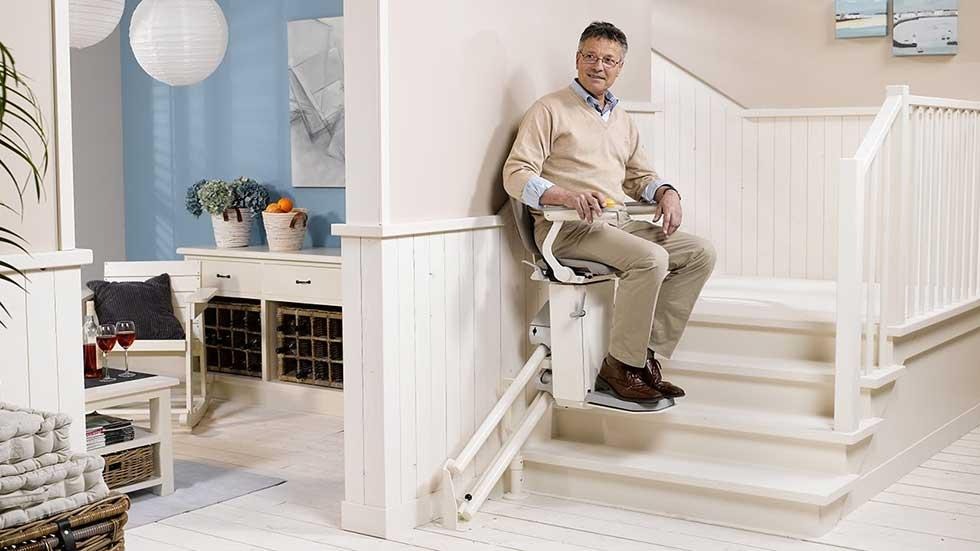
For many seniors and individuals with limited mobility, stairs can quickly become one of the biggest obstacles in the home. Whether it’s due to aging, injury, or a medical condition, navigating stairs safely is often a major concern. That’s where stairlifts come in. These convenient devices offer a practical and affordable solution to regain independence and peace of mind. 

Improving Home Accessibility with Stairlifts

By making multi-level homes easier to access, stairlifts Long Island help people stay in the homes they love for longer.

A Safe Way to Navigate Stairs

Stairs pose a real risk of falls, especially for older adults or those with balance issues. A stairlift reduces this danger by providing a safe and stable way to move between floors. With a sturdy seat, secure seatbelt, and smooth start-and-stop mechanism, users can travel up and down without straining themselves.

Instead of risking injury or relying on others for help, individuals regain confidence knowing they can move freely in their own home. Safety sensors also ensure that the lift stops if an object is in the way, adding another layer of protection.

Supporting Independent Living

Many seniors want to remain in their homes as long as possible. However, when mobility becomes a challenge, stairs often limit their ability to do so. A stairlift helps bridge that gap by eliminating the need to move to a single-story home or assisted living facility.

This independence isn’t just about physical access—it also impacts mental well-being. Being able to move around the entire house helps users stay connected to family, maintain routines, and feel in control of their space.

Custom Fit for Any Home

You might assume that stairlifts only work in certain homes, but modern stairlift designs are incredibly versatile. Whether your staircase is straight, curved, narrow, or wide, there’s likely a model that fits. Installers can customize tracks to match the exact layout of your stairs.

Easy to Operate and Low Maintenance

Another benefit of stairlifts is how user-friendly they are. Controls are simple, usually limited to a few buttons or a joystick, and some models even come with remote controls to call the lift when it’s needed. The ride itself is smooth and quiet, designed with comfort in mind.

A Cost-Effective Accessibility Solution

Compared to major remodeling or relocating, installing a stairlift is a relatively affordable way to enhance home accessibility. Many families find that it offers great value in terms of safety, independence, and peace of mind. In some cases, insurance or government assistance programs may help cover the cost.

Conclusion: Improving Home Accessibility with Stairlifts

Stairlifts offer more than just a way to get up and down stairs—they restore a sense of freedom, comfort, and security for seniors and individuals with mobility challenges. By choosing to install a stairlift, homeowners can avoid unnecessary moves, reduce risks, and enjoy full use of their living space. If you or a loved one struggles with stairs, a stairlift might be the life-changing solution you’ve been looking for.